Complete Guide of Recycled Plastic Processing
You’ve probably heard the term thrown around a lot lately, with plants going green, brands bragging about recycled content, and sustainability reports full of PCR percentages. But what actually happens when a used plastic bottle or offcut turns into usable resin again? That’s what recycled plastic processing covers, and understanding it matters whether you’re sourcing material, running an extrusion line, or just trying to make sense of what’s inside your supply chain.
This guide walks through what recycled plastic processing actually is, why it’s become such a big deal, how the process typically works, and the problems that tend to show up along the way, plus where processing aids come in to make everyone’s life a little easier.
Find Our Chemical Products
What Is Recycled Plastic Processing?
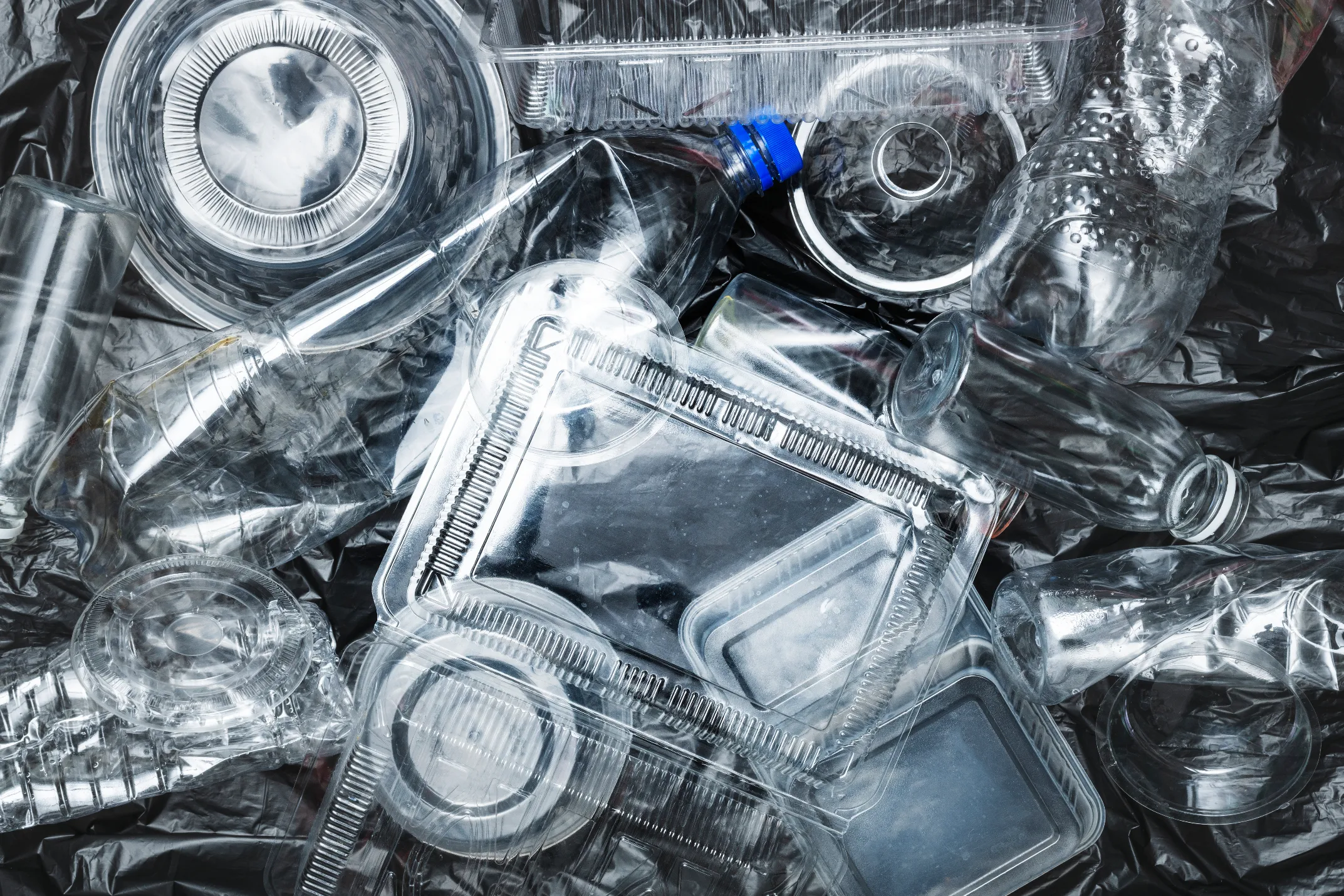
At its simplest, recycled plastic processing is the set of steps that turns used or scrap plastic back into resin that can be molded, extruded, or formed into something new. The material generally falls into two buckets. The first is PCR (post-consumer resin), which comes from things people actually used and threw away. The second is PIR (post-industrial resin), which comes from manufacturing scrap that never made it to a customer.
Both types skip the oil-well-to-pellet journey that virgin resin takes, which is exactly why recycled plastic processing has become such a central piece of sustainable manufacturing. However, skipping that journey comes with a trade-off. Recycled resin carries a lot more variability than virgin material, and that variability is where most of the real engineering challenges live.
Why Recycled Plastic Processing Matters
The environmental case is the obvious one, as every batch of recycled resin is plastic that isn’t sitting in a landfill or floating in a waterway. But there’s a practical business case too, and it’s a big part of why more manufacturers are investing in this.
A few reasons recycled plastic processing has moved from “nice to have” to genuinely strategic include:
- Regulatory pressure is increasing. More markets now require minimum recycled content in packaging and products, making PCR and PIR resin a compliance necessity rather than a marketing choice.
- Customers are asking for it. Brands across industries are under pressure from their own customers to show real recycled content, not just recyclability claims.
- Cost stability. Recycled resin pricing doesn’t always track virgin resin the same way, which can offer a hedge against oil price swings.
- Supply chain resilience. Sourcing locally recycled material can shorten supply chains that would otherwise depend on imported virgin feedstock.
None of that matters much, though, if the processed resin doesn’t actually perform well on the line, which is where things get technical.
Key Steps of How the Recycled Plastic Processing Works
Getting from scrap plastic to usable resin isn’t a single step. It’s a chain of processes, and each one affects the quality of what comes out the other end.
- Collection and sorting. Material is gathered and separated by polymer type, since mixing incompatible plastics ruins the final resin’s properties.
- Washing and decontamination. Labels, adhesives, food residue, and other contaminants get removed before the material moves forward.
- Shredding or grinding. Plastic is broken down into flakes or smaller pieces to prepare it for melting.
- Melting and extrusion. The shredded material is melted and pushed through a screw, then formed into pellets. This is where most flow-related issues actually surface.
- Quality testing. Melt flow index, viscosity, and contamination levels are checked before the resin is approved for sale or use.
Each of these steps introduces its own opportunity for inconsistency, and that inconsistency is exactly what shows up later in the extruder.
Common Problems in Recycled Plastic Processing
Even with a solid sorting and cleaning process upstream, recycled resin behaves differently from virgin material once it hits the screw, and processors run into the same handful of issues over and over.
- Inconsistent melt flow index. Every batch of PCR or PIR resin carries a slightly different processing history, so MFI can shift noticeably from one lot to the next.
- Viscosity variation. Degraded polymer chains don’t flow as predictably as fresh ones, making it harder to hold consistent pressure and output across a run.
- Melt fracture. Uneven shear stress inside the screw can cause a rippled, shark-skin-like surface right at the die exit, which is a defect that’s easy to spot and frustrating to trace back to its cause.
- Residual contamination. Even well-sorted material can carry trace contaminants that affect color, strength, or processability.
Most of these problems trace back to one underlying issue, which is that recycled resin simply doesn’t move through a screw as smoothly and predictably as virgin material does.
How Processing Aids Help Solve These Challenges
This is where a well-chosen Processing Aid earns its keep. These additives coat the internal surfaces of the screw and die with a thin, slippery layer, which cuts down on the friction between the melt and the metal it’s moving through.
Less friction means less uneven shear stress building up across the melt stream. In practical terms, this leads to smoother flow, a more even melt front, and a cleaner surface at the die exit. For recycled resin specifically, this is often the difference between a batch that sails through visual inspection and one that gets flagged for rework.
Processing aids work even better as part of a broader plan rather than a standalone fix:
- They don’t replace good sorting. No amount of processing aid will fix genuinely contaminated or poorly sorted feedstock, as that still needs to be handled upstream.
- Dosage needs adjusting more often than with virgin resin. Because feedstock varies batch to batch, what worked last week might need a small tweak this week.
- They pair well with other Plastic Additives. Processing aids handle flow specifically, but stabilizers and compatibilizers often round out the rest of the gap toward virgin-grade performance.
Getting the Most Out of Recycled Resin
The realistic goal isn’t making recycled resin identical to virgin material. Instead, it is getting close enough that customers stop noticing the difference. With the right processing aid dosed correctly, and a bit of attention paid to batch-to-batch variation, that’s genuinely achievable for most PCR and PIR applications.
Treating recycled resin as its own material, rather than a cheaper stand-in that should behave exactly like virgin resin, tends to be the mindset shift that makes the biggest difference. Once that clicks, adjustments like slightly higher additive dosage or more frequent MFI checks start to feel like normal process tuning instead of constant troubleshooting.
If you’re working through this on your own line, it’s often worth talking to a Chemical Supplier in Thailand who has actual experience with PCR and PIR resin. The right additive package tends to be a lot easier to land with some guidance than through trial and error alone.