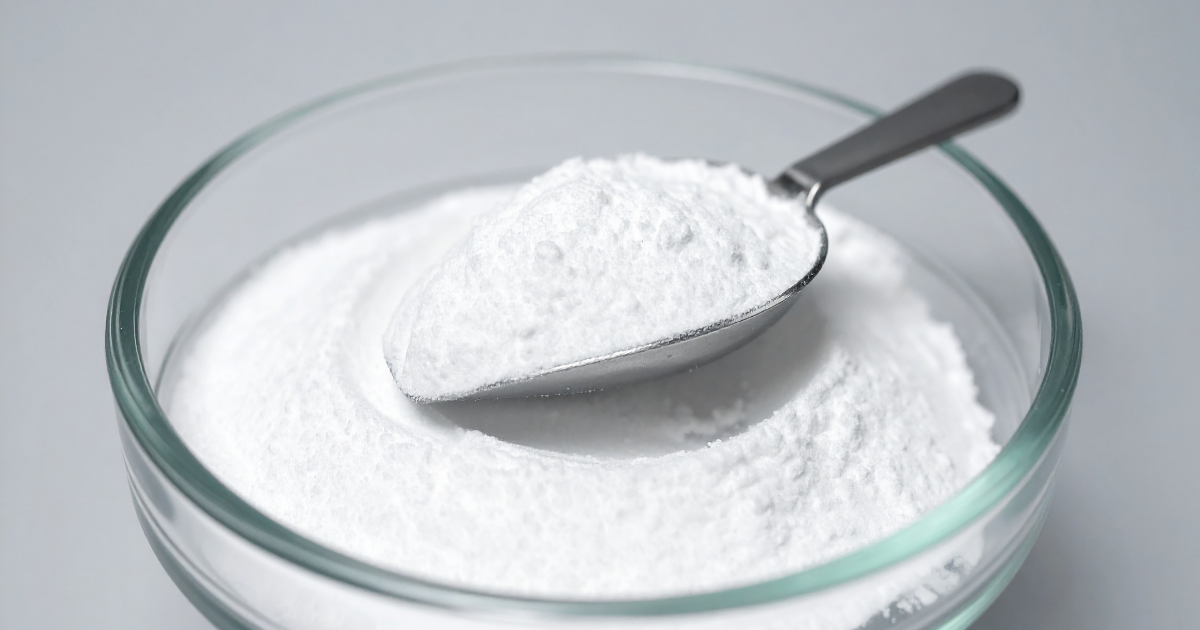
What is Metallic Stearate Uses and Benefits
Metallic stearates are among the most widely used processing additives across various manufacturing industries. These metal salts of stearic acid improve production efficiency, enhance product quality, and provide multiple functional benefits such as lubrication, mold release, heat stabilization, and water repellency. Because of their versatility, metallic stearates are commonly found in plastics, rubber, coatings, construction materials, cosmetics, pharmaceuticals, and even selected food-related applications under regulated conditions.
For plastic and rubber manufacturers in particular, metallic stearates are essential additives that help optimize processing while reducing equipment wear and improving finished product consistency. Selecting the right type of metallic stearate depends on the desired performance, processing temperature, compatibility with polymers, and end-use requirements.
Find Our Chemical Products
What is Metallic Stearate?
Metallic stearates are metallic salts produced by reacting stearic acid with different metal compounds. Although they share a similar chemical structure, each metal provides unique performance characteristics that make it suitable for different industrial applications.
Common metallic stearates include:
- Calcium Stearate Excellent lubricant, acid scavenger, and processing aid for PVC and polyolefins.
- Magnesium Stearate Provides lubrication and anti-caking performance for plastics and pharmaceutical applications.
- Zinc Stearate Offers superior mold release and lubrication, especially in engineering plastics and rubber.
- Sodium Stearate Commonly used in soaps, detergents, and certain industrial formulations.
- Potassium Stearate Frequently applied in liquid soaps, emulsifiers, and specialty chemical formulations.
- Barium Stearate Known for excellent heat stability and weather resistance in selected industrial applications.
- Lead Stearate Traditionally used as a heat stabilizer for PVC, though its use has significantly declined due to environmental and regulatory concerns.
According to ASTM and ISO standards, lubricants and processing additives play an important role in maintaining consistent polymer processing performance while improving manufacturing efficiency.
Applications of Metallic Stearate
Different metallic stearates provide different functional advantages depending on the manufacturing process and end product.
Metallic Stearate in Plastic
The plastics industry is one of the largest consumers of metallic stearates. During polymer processing, high temperatures and friction can negatively affect product quality and machine performance. Metallic stearates reduce friction between polymer particles and processing equipment, resulting in smoother extrusion, injection molding, and compounding.
Common functions include:
- Internal and external lubrication
- Improved melt flow
- Reduced die build-up
- Better mold release
- Prevention of polymer degradation
- Improved surface finish
For plastic manufacturers, Calcium Stearate is one of the most widely used additives due to its excellent lubrication and acid-scavenging properties, especially in PVC compounds. Zinc Stearate is another popular option where outstanding mold release and surface quality are required, particularly in engineering plastics and thermosets.
Metallic Stearate in Rubber
Rubber processing requires additives that can improve mixing efficiency while preventing materials from sticking to processing equipment.
Metallic stearates contribute by:
- Acting as internal lubricants
- Improving filler dispersion
- Enhancing mold release
- Reducing processing time
- Producing smoother finished surfaces
For many rubber formulations, Zinc Stearate is preferred because of its superior release characteristics. Calcium Stearate is also widely used as a lubricant and processing aid that supports stable manufacturing performance.
Metallic Stearate in Paint
In paints and coatings, metallic stearates function as multifunctional additives that improve formulation stability and coating performance.
Typical benefits include:
- Flatting and matting effects
- Improved pigment dispersion
- Better suspension stability
- Enhanced water resistance
- Improved scratch resistance
- Reduced sedimentation during storage
Depending on formulation requirements, Calcium Stearate is commonly selected for its anti-settling and moisture-resistant properties, while Zinc Stearate is often incorporated into specialty coatings requiring superior slip and abrasion resistance.
Metallic Stearate in Construction
Construction materials increasingly rely on specialty additives to improve durability and processing performance. Metallic stearates are commonly incorporated into cement-based products, dry mortar, wall putty, and construction chemicals.
Their functions include:
- Water repellency
- Moisture resistance
- Improved workability
- Reduced water absorption
- Better storage stability
For construction applications, Calcium Stearate is widely recognized as an effective hydrophobic additive that enhances the durability of cementitious materials by reducing capillary water penetration.
Recommendations for Choosing the Right Metallic Stearate
Choosing the appropriate metallic stearate should be based on both processing requirements and final product performance rather than cost alone.
Consider the following factors:
- Polymer or formulation compatibility – Different metallic stearates interact differently with PVC, polyolefins, rubber, coatings, or cement systems.
- Processing temperature – Thermal stability should match the manufacturing process.
- Lubrication requirements – Determine whether internal lubrication, external lubrication, or both are needed.
- Regulatory compliance – Some traditional metallic stearates, such as lead-based products, may be restricted depending on local regulations.
- End-use application – Products intended for food contact, pharmaceutical, or consumer applications may require higher purity grades and compliance with FDA or other relevant standards.
Working with an experienced supplier can help ensure the selected additive delivers optimal processing efficiency while meeting quality and regulatory requirements.
Conclusion
Metallic stearates are versatile processing additives that play an essential role across plastics, rubber, paints, and construction industries. Although they belong to the same chemical family, each type offers unique performance characteristics that suit different manufacturing objectives.
For most plastic and construction applications, Calcium Stearate provides an excellent balance of lubrication, heat stability, and moisture resistance. Zinc Stearate is preferred when superior mold release and surface finish are required, while other metallic stearates serve specialized applications depending on formulation needs.
At Evergreen Thailand, we supply high-quality metallic stearates for industrial manufacturers seeking consistent performance, reliable quality, and international export support. If you need assistance selecting the right metallic stearate for your production process, our technical team is ready to provide product recommendations, technical specifications, and customized solutions for your application.