
Calcium Stearate Uses Why Is It So Critical in PVC Production?
Polyvinyl chloride (PVC), one of the most widely used thermoplastics across various industries because of its durability, flexibility, and cost-effectiveness. However, the PVC production heavily depends on the plastic additive which calcium stearate uses plays a vital role.
In this article Evergreen Chemical Company Thailand will introduce you to the importance of calcium stearate uses in PVC production, its key functions, advantages, comparisons, applications, and environmental safety.
Find Our Chemical Products
The Function of Calcium Stearate Uses in PVC Production
Calcium stearate processes from stearic acid with a dual function in PVC production formula as a thermal stabilization and a lubricant function.
1. Thermal Stabilization
During the PVC production process with a high heat temperature it releases hydrogen chloride (HCl) which makes PVC degrades due to its acidic ability. Calcium stearate helps neutralise the acidic and stop the degradation, on the other hand calcium stearate uses will enhance the heat stabilizer of PVC.
2. Lubrication Function
- Internal lubrication: Reduces friction between PVC molecules, improving melt flow during extrusion or molding.
- External lubrication: Minimizes adhesion to equipment surfaces, preventing buildup and improving the surface finish of PVC products.
Advantages of Calcium Stearate Uses in PVC Formulations
Calcium stearate uses offers several important benefits:
Thermal Stability
Enhances PVC plasticizer heat resistance degradation—especially when used in combination with other stabilizers like Zinc Stearate.
Improved Processing
Promotes smoother extrusion, reduces torque on equipment, and helps lower energy consumption.
Wide Compatibility
Suitable for both rigid and flexible PVC grades, making it versatile across industries.
Economical
More cost-effective compared to many other stabilizers, without compromising performance.
Low Toxicity
Recognized as non-toxic and safe for various applications, including food contact (subject to compliance with relevant regulations).
Comparison with Other PVC Additives
While Calcium Stearate is widely used, it’s often compared to other stabilizers and lubricants:
| Additive | Characteristics |
| Zinc Stearate | Excellent lubricant but weaker in acid neutralization; often used together. |
| Lead-based Stabilizers | Previously popular, now largely banned due to toxicity concerns. |
| Tin-based Stabilizers | High clarity and heat resistance; preferred for food-grade or clear PVC, but more expensive. |
Calcium Stearate offers a balanced profile in terms of cost, safety, and efficiency, making it ideal for mainstream PVC applications.
Common Applications of Calcium Stearate uses in PVC Production
Due to its versatile properties, Calcium stearate uses in a wide range of PVC-based products in your everyday life, including:
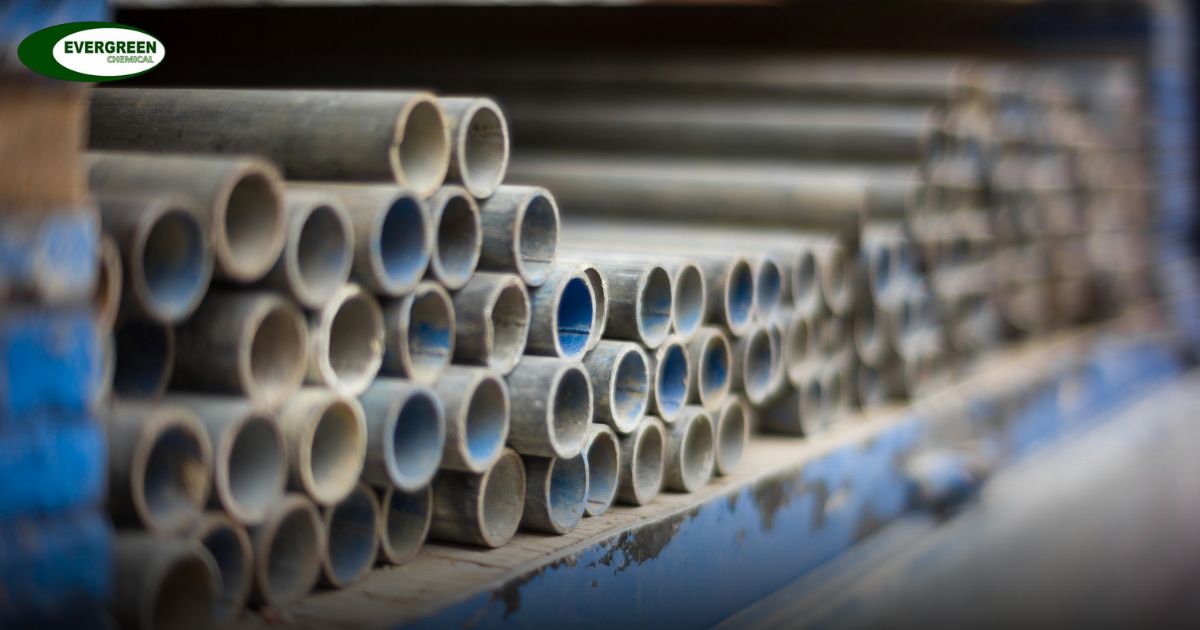
- Pipes and Fittings: Enhances flow and prevents sticking during extrusion.
- Profiles and Sheets: Provides better heat stability and smooth processing.
- Cables and Wires: Acts as a lubricant and thermal stabilizer in insulation layers.
- Food and Consumer Packaging: Ensures safe processing in contact-safe packaging materials.
- Flooring and Wall Coverings: Maintains surface texture and improves consistency.
Environmental and Regulatory Considerations
Calcium stearate uses is regarded as environmentally friendly and non-toxic, making it a preferred alternative to more hazardous stabilizers.
Regulatory Compliance
It complies with key international standards, including:
- REACH (EU)
- RoHS (Restriction of Hazardous Substances)
- FDA (Food and Drug Administration – for specific uses)
Sustainability
Calcium stearate is the biodegradable and low environmental impact which supports sustainable manufacturing goals, especially in industries moving towards cleaner and safer additives.
In conclusion, calcium stearate uses is an important additive in processes of PVC production because of its function: thermal stability and lubrication, also help the PVC to produce easily in a wide range. Lastly, Its unique balance of performance, safety, and cost-efficiency makes it a mainstay in both industrial and consumer-grade PVC products.